Where Delhi Whispered of Freedom Before It Was Won
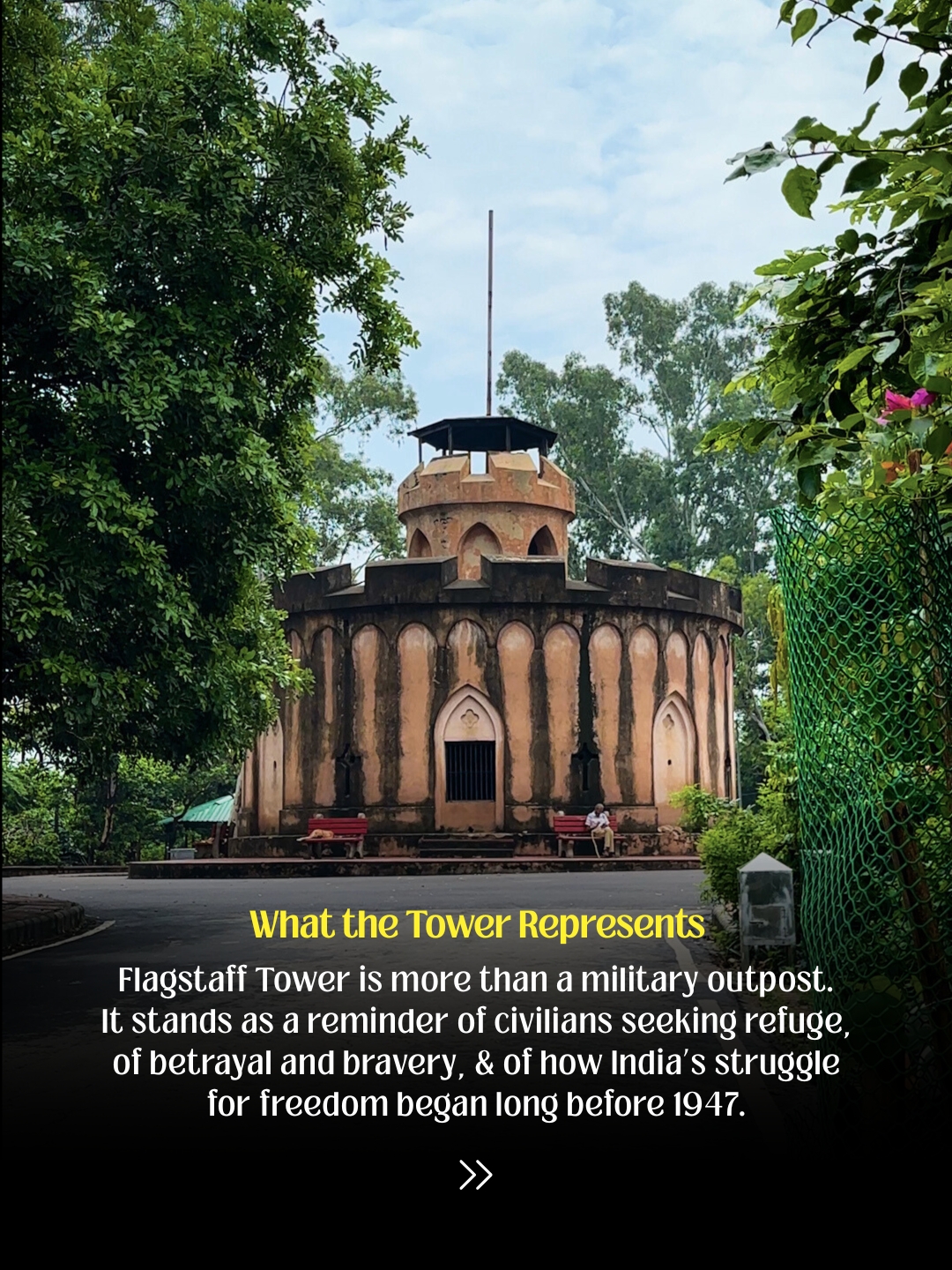
Hidden within the quiet stretches of Delhi’s North Ridge stands Flagstaff Tower, a modest circular structure that played a powerful yet often forgotten role in the events of 1857. Today, surrounded by trees and silence, it barely draws attention. But nearly two centuries ago, this very spot witnessed fear, flight, resistance, and the earliest echoes of India’s struggle against colonial rule.
A Forgotten Witness
Flagstaff Tower does not impress at first glance. Its stone walls are weathered, its doors sealed, and its steps worn by time. Yet this unassuming tower was once at the centre of one of the most turbulent moments in Delhi’s history.
In 1857, when the city erupted in revolt against the British East India Company, Flagstaff Tower stood as a silent observer to chaos unfolding around it. Long before Independence became a national movement, this place saw its first tremors.
Why It Was Built
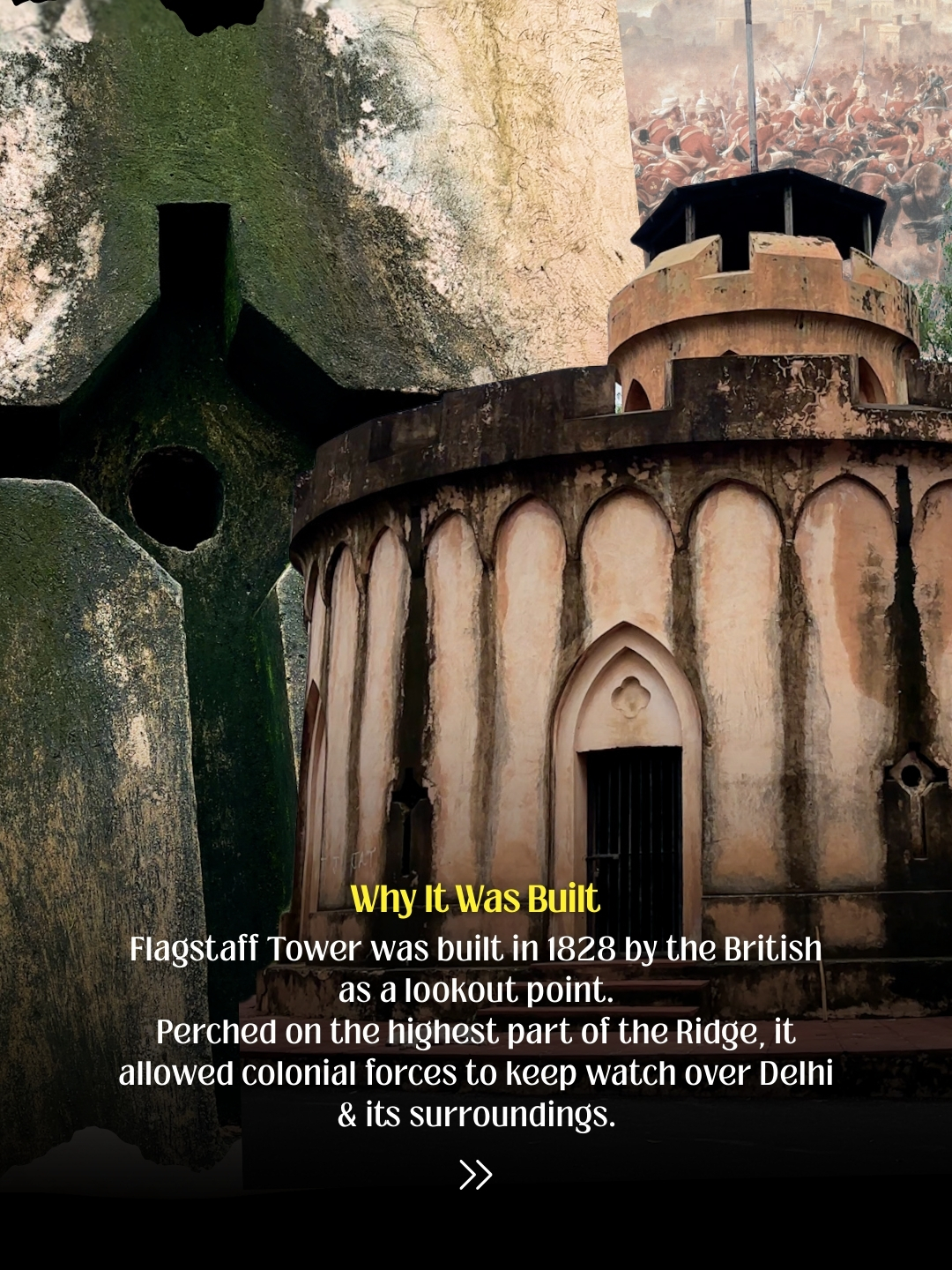
Flagstaff Tower was constructed in 1828 by the British as a signal and observation post. At the time, the North Ridge was not a forested stretch but a barren, elevated plain. From this highest point, the British could keep watch over Delhi, including Civil Lines and the surrounding cantonment areas.
The tower’s strategic location made it part of the colonial defence network, designed to assert control rather than provide shelter. Ironically, history would soon give it a very different role.
May 1857
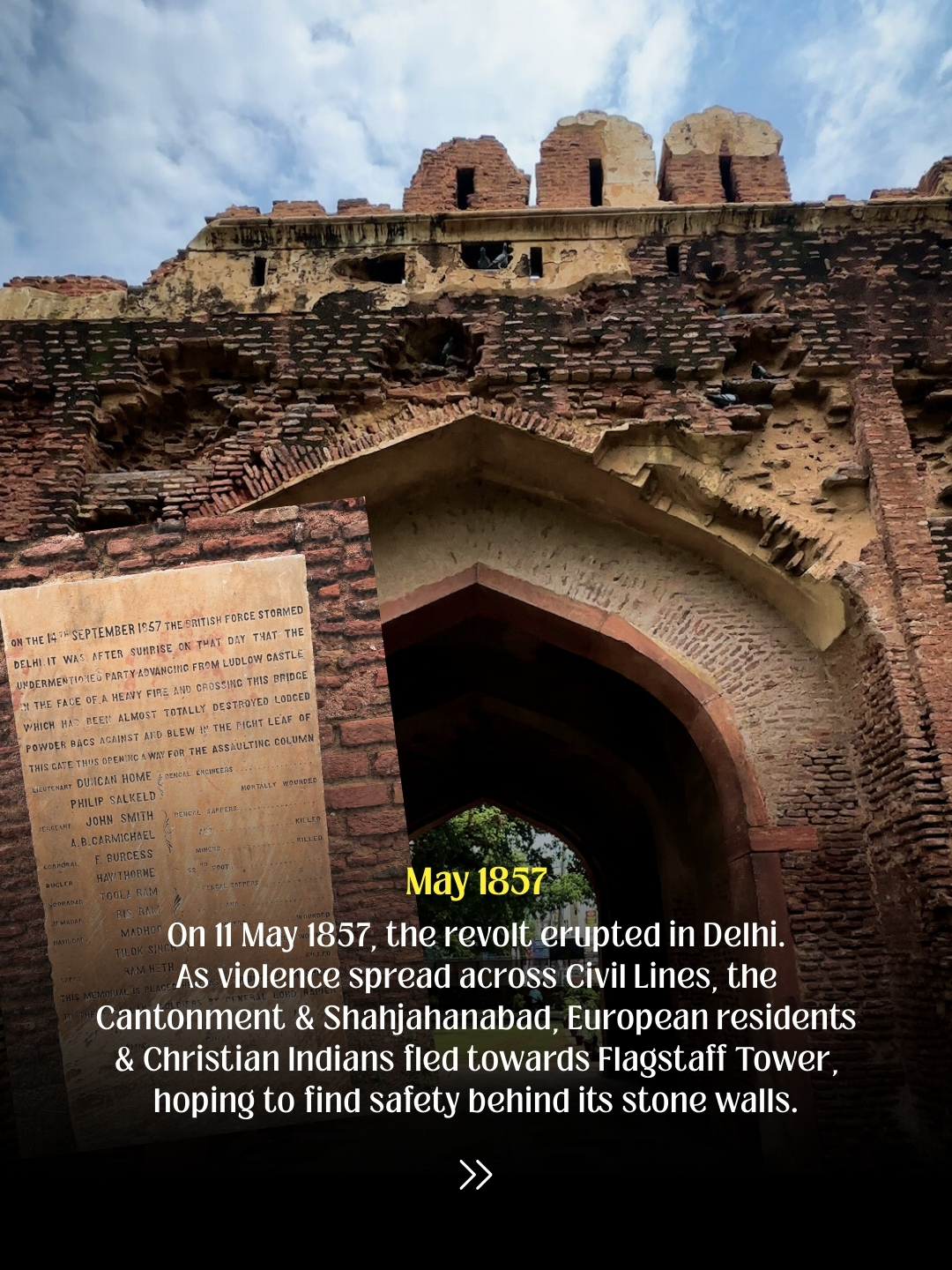
On 11 May 1857, Delhi was thrown into disorder as sepoys of the East India Company rebelled. Gunfire echoed through the city. Civil Lines, the cantonment, and Shahjahanabad were caught in the turmoil.
As violence spread, European residents and Christian Indians fled their homes in panic. With few safe places left, many ran towards Flagstaff Tower, believing that its solid stone structure would offer protection until help arrived.
A Shelter That Failed
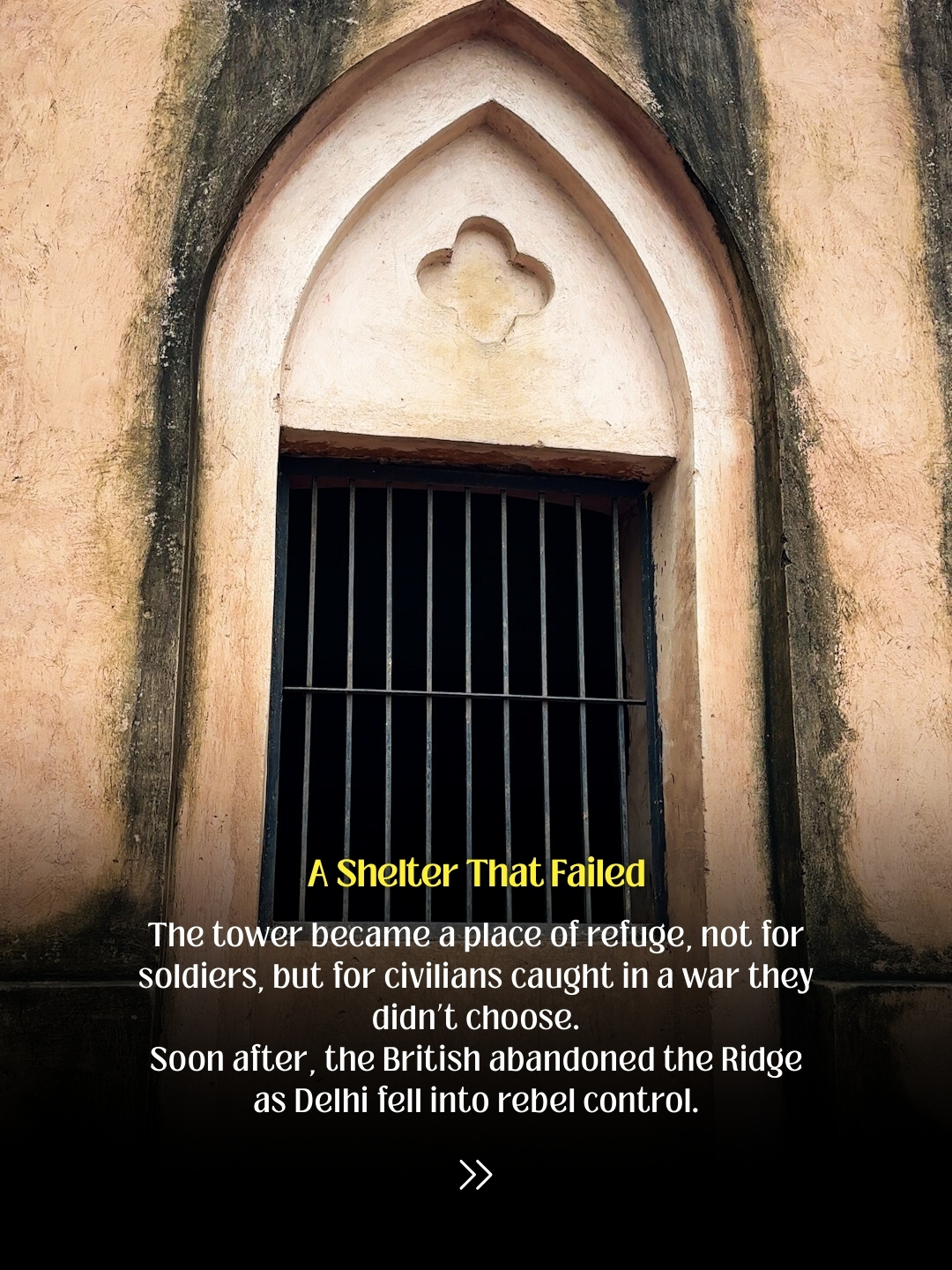
Flagstaff Tower, meant for surveillance and war, became a refuge for civilians. Families gathered inside and around it, hoping for rescue.
But rescue never came.
As rebel forces gained control over Delhi, the British withdrew from the Ridge. Those who had taken shelter were left abandoned. The tower, once a symbol of authority, turned into a marker of vulnerability and fear.
The Battle for the Ridge
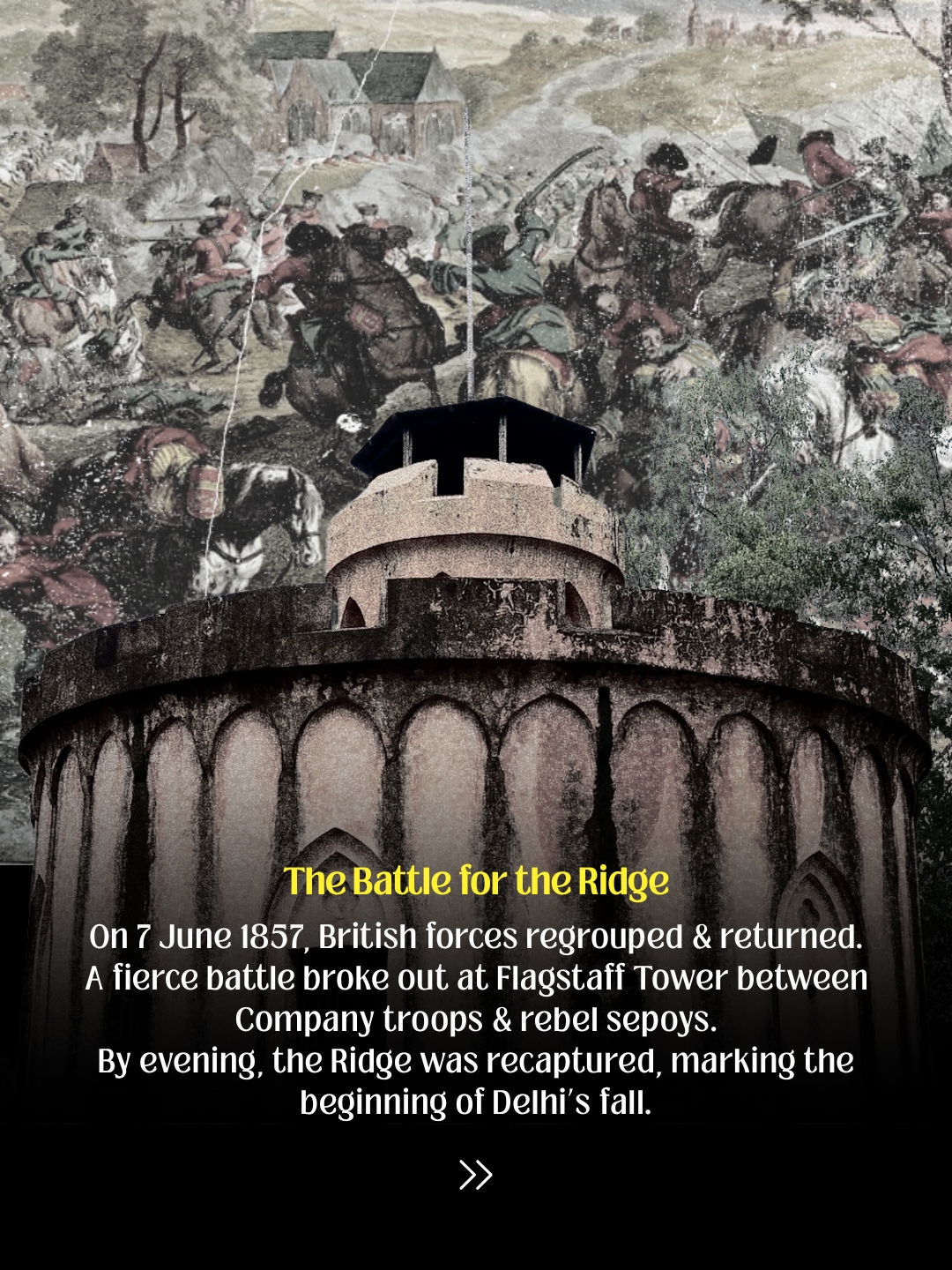
The Ridge did not remain in rebel hands for long. On 7 June 1857, British forces regrouped and returned to reclaim it. What followed was a fierce battle at and around Flagstaff Tower.
Company troops clashed with rebel sepoys in brutal close combat. By evening, the British had regained control of the Ridge. This recapture became a turning point, allowing the British to plan their final assault on Delhi.
What the Tower Represents
Flagstaff Tower is not remembered for grand victories or heroic charges. Its significance lies elsewhere.
It represents ordinary people seeking safety during a war they did not start. It represents the fragility of colonial power in moments of crisis. And it represents the early, painful steps of India’s long journey towards freedom — decades before 1947.
Nearby, two old guardhouses still stand, aligned quietly a short distance from the tower, watching over a past that has largely faded from public memory.
Plan Your Visit
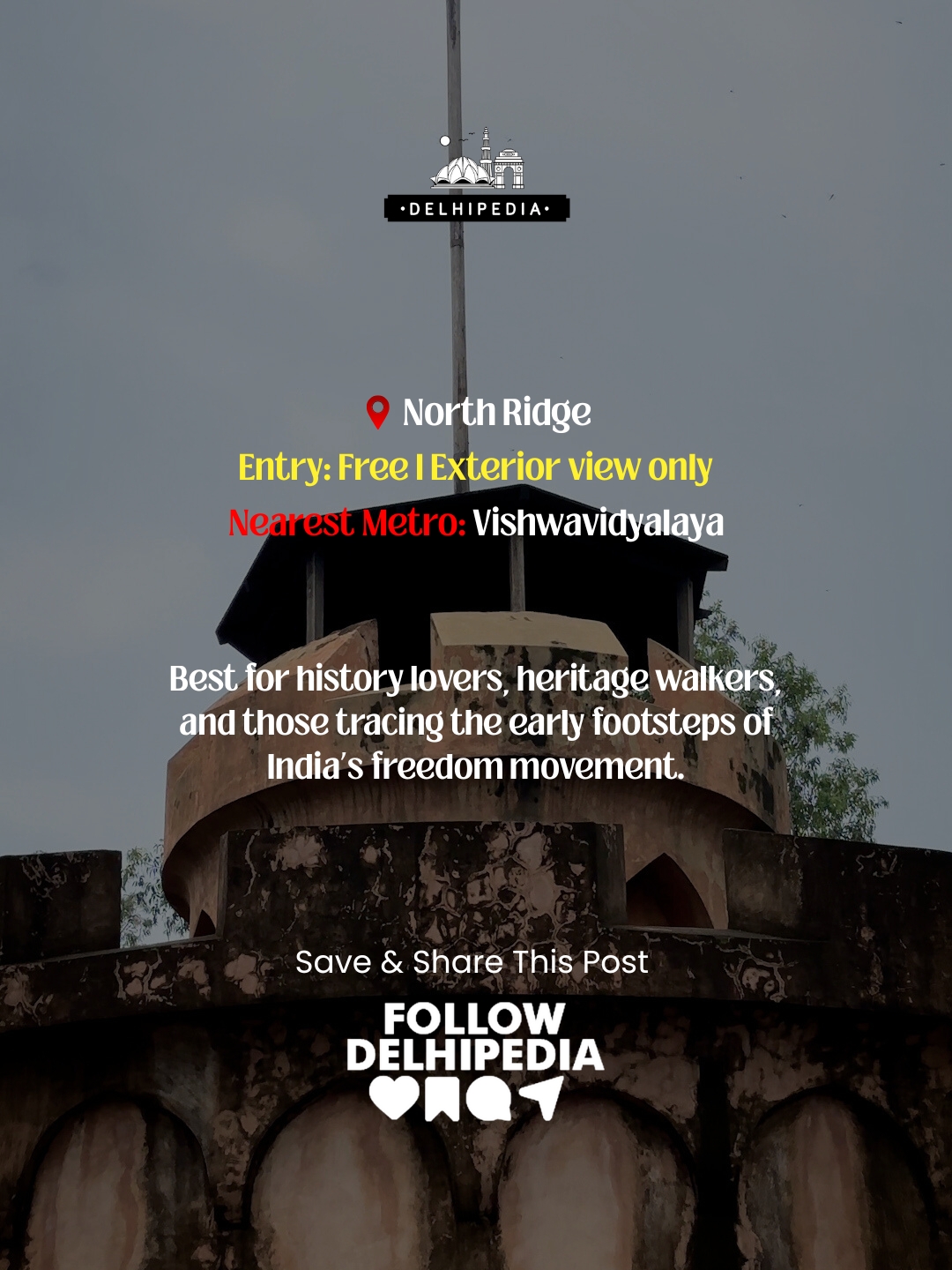
Location: North Ridge, near Civil Lines, Delhi Entry: Free (exterior view only) Best time to visit: Early morning or late afternoon Ideal for: History enthusiasts, heritage walkers, students of the 1857 Revolt, and those exploring Delhi beyond monuments
A visit to Flagstaff Tower is not about spectacle. It is about standing still, listening, and remembering that freedom did not arrive suddenly — it was shaped slowly, painfully, in places like this.